
Leadership in 2026: Essential Tools and Books Every Modern Leader Should Know

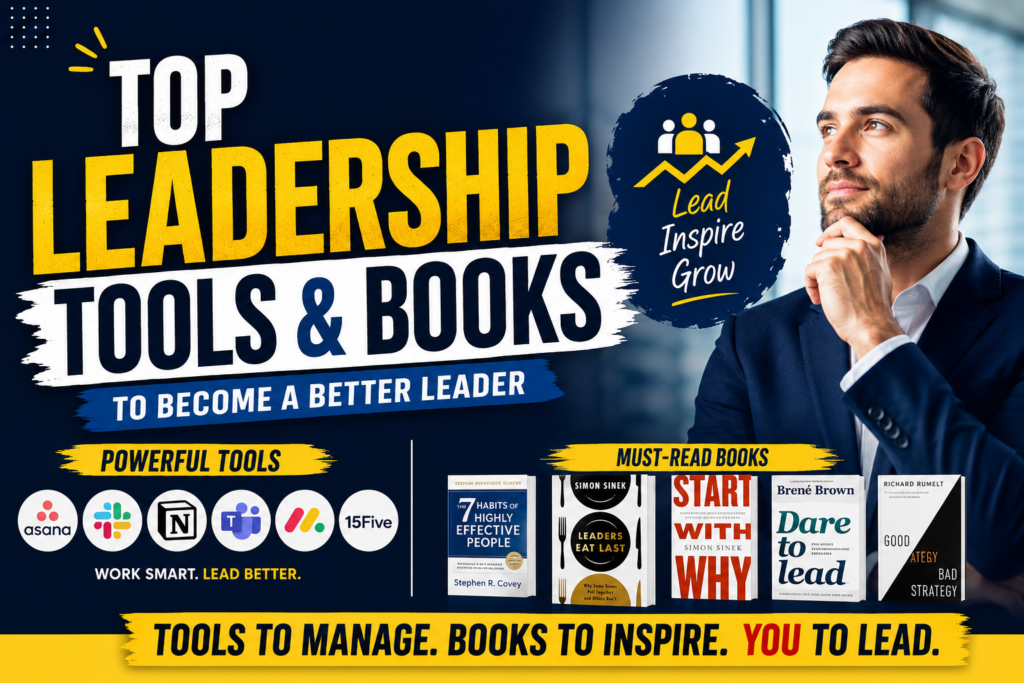
Leadership today is no longer about authority alone. The most successful leaders combine emotional intelligence, strategic thinking, data-driven decision-making, and continuous learning. Whether you’re managing a team, leading a project, or preparing for an executive role, the right combination of tools and books can accelerate your growth.
This guide highlights some of the best leadership tools and books available in 2026 to help you become a more effective and influential leader.
Why Leadership Development Matters
Organizations today face rapid technological change, hybrid work environments, AI-driven transformation, and increasing employee expectations. Leaders must develop skills in:
- Communication
- Decision-making
- Team management
- Strategic thinking
- Change management
- Emotional intelligence
- Coaching and mentoring
The resources below can help build these capabilities. (IMD Business School)
Top Leadership Tools
1. Asana
Best For:
Project and team management
Key Features:
- Task tracking
- Goal management
- Team collaboration
- Workflow automation
Leadership Benefit:
Provides visibility across teams and helps leaders align daily work with organizational goals.
2. Monday.com
Best For:
Team coordination and operational leadership
Key Features:
- Project dashboards
- Resource planning
- Team performance tracking
- Custom workflows
Leadership Benefit:
Helps managers improve accountability and transparency.
3. Notion
Best For:
Knowledge management and leadership documentation
Key Features:
- Team wiki
- Meeting notes
- Goal tracking
- Documentation
Leadership Benefit:
Creates a centralized source of truth for teams.
4. Slack
Best For:
Communication and team engagement
Key Features:
- Instant messaging
- Team channels
- Integrations with business tools
- Workflow automation
Leadership Benefit:
Improves communication speed and collaboration.
5. Microsoft Teams
Best For:
Hybrid and remote leadership
Key Features:
- Video meetings
- File collaboration
- Team chats
- Office integration
Leadership Benefit:
Enables effective leadership across distributed teams.
6. 15Five
Best For:
Employee engagement and performance management
Key Features:
- Weekly check-ins
- Performance reviews
- Goal setting
- Employee feedback
Leadership Benefit:
Promotes continuous coaching and employee development.
7. Culture Amp
Best For:
Building organizational culture
Key Features:
- Employee surveys
- Engagement analytics
- Leadership feedback
- Performance insights
Leadership Benefit:
Provides leaders with actionable insights to improve culture.
8. ALEX by Admired Leadership
Best For:
AI-powered leadership coaching
Key Features:
- Leadership coaching conversations
- Decision support
- Scenario practice
- Personalized feedback
Leadership Benefit:
Acts as an on-demand executive coach for managers and leaders. (Axios)
Must-Read Leadership Books
1. The 7 Habits of Highly Effective People
What You’ll Learn:
- Personal effectiveness
- Time management
- Relationship building
- Long-term leadership principles
Why Read It:
One of the most influential leadership books ever written. (ie edu)
2. Leaders Eat Last
What You’ll Learn:
- Trust-building
- Team culture
- Employee motivation
Why Read It:
Explains how great leaders create environments where people feel safe and valued. (MCRC)
3. Start With Why
What You’ll Learn:
- Purpose-driven leadership
- Vision creation
- Organizational influence
Why Read It:
Shows how inspiring leaders motivate people through purpose. (henryharvin.com)
4. Dare to Lead
What You’ll Learn:
- Courageous leadership
- Vulnerability
- Emotional intelligence
Why Read It:
Modern leadership requires empathy and authenticity. (PenguinRandomhouse.com)
5. Good Strategy Bad Strategy
What You’ll Learn:
- Strategic thinking
- Business planning
- Decision-making
Why Read It:
Helps leaders separate real strategy from vague goals. (MCRC)
6. The Culture Code
What You’ll Learn:
- Team dynamics
- High-performance cultures
- Leadership communication
Why Read It:
A practical guide to building successful teams. (MCRC)
7. Extreme Ownership
What You’ll Learn:
- Accountability
- Responsibility
- Team leadership
Why Read It:
Demonstrates how ownership drives performance and trust. (The Times of India)
8. The Coaching Habit
What You’ll Learn:
- Coaching conversations
- Better questioning techniques
- Employee development
Why Read It:
Transforms managers into effective coaches. (LinkedIn)
9. The Infinite Game
What You’ll Learn:
- Long-term thinking
- Sustainable growth
- Leadership mindset
Why Read It:
Encourages leaders to focus on enduring success rather than short-term wins. (PenguinRandomhouse.com)
10. Measure What Matters
What You’ll Learn:
- OKRs
- Goal-setting
- Organizational alignment
Why Read It:
The definitive guide to Objectives and Key Results (OKRs). (PenguinRandomhouse.com)
Recommended Learning Path
Beginner Leaders
- The 7 Habits of Highly Effective People
- Start With Why
- The Coaching Habit
Team Managers
- Leaders Eat Last
- The Culture Code
- Dare to Lead
Senior Leaders & Executives
- Good Strategy Bad Strategy
- Measure What Matters
- The Infinite Game
Final Thoughts
The best leaders are lifelong learners. Leadership is not a title—it’s a skill that requires continuous improvement. By combining modern leadership tools with timeless leadership books, you can improve communication, strengthen teams, make better decisions, and create lasting organizational impact.
Invest in both your leadership library and your leadership toolkit. The return on that investment will compound throughout your career. (IMD Business School)








Responses