
The New Corporate Work Style: What Gen Z Needs (and Expects)

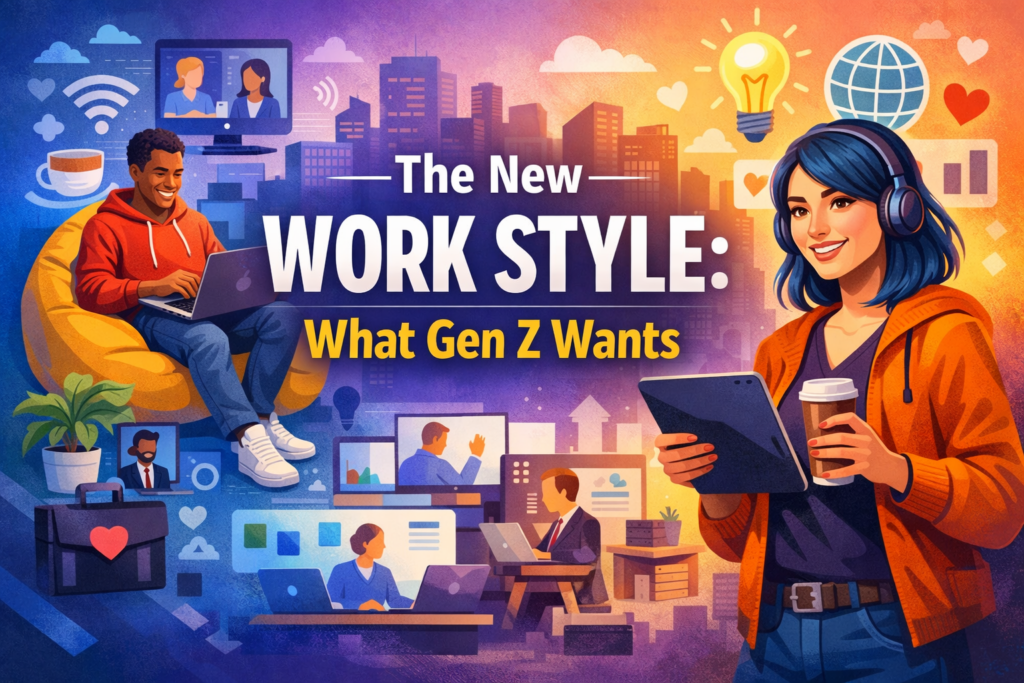
The corporate world is undergoing one of the most significant transformations in its history. Driven by rapid technological advancement, shifting cultural values, and the entry of Generation Z into the workforce, traditional work models are being challenged like never before.
Gen Z—typically defined as those born between 1997 and 2012—is not just another generation entering offices; they are reshaping what “work” actually means.
Understanding Gen Z: A Different Workforce Mindset
Unlike previous generations, Gen Z has grown up in a fully digital, hyper-connected world. They are not adapting to technology—it is their default environment. This shapes how they think, communicate, and approach work.
They value:
- Speed and efficiency over rigid processes
- Purpose over just paychecks
- Flexibility over fixed schedules
- Authenticity over hierarchy
For Gen Z, work is not just about earning a living—it’s about building a meaningful life.
The Shift from Traditional to Modern Work Culture
1. From “9 to 5” to Flexible Work
The rigid 9-to-5 schedule is becoming obsolete. Gen Z prefers:
- Hybrid or remote work setups
- Flexible hours based on productivity
- Outcome-based performance instead of time-based tracking
They believe work should fit into life—not the other way around.
2. From Hierarchy to Collaboration
Traditional corporate structures often emphasize authority and hierarchy. Gen Z, however, thrives in:
- Flat organizational structures
- Open communication channels
- Inclusive decision-making
They expect their voices to be heard, regardless of their position.
3. From Job Security to Career Fluidity
Previous generations prioritized long-term stability with a single company. Gen Z is more open to:
- Switching roles or industries
- Freelancing or gig work
- Building multiple income streams
They value growth and learning over staying in one place.
What Gen Z Needs in the Workplace
1. Purpose-Driven Work
Gen Z wants to work for organizations that:
- Have a clear mission
- Contribute to society
- Align with their personal values
They are more likely to stay engaged when they see the impact of their work.
2. Continuous Learning Opportunities
This generation is highly curious and eager to grow. Companies must provide:
- Upskilling and reskilling programs
- Access to online learning platforms
- Mentorship and coaching
Learning is not optional—it’s expected.
3. Mental Health and Well-being Support
Gen Z is more open about mental health than any previous generation. They expect:
- Work-life balance
- Psychological safety
- Support systems like counseling or wellness programs
Burnout is a dealbreaker for them.
4. Transparent Communication
Gen Z prefers:
- Honest feedback
- Clear expectations
- Open leadership
They don’t respond well to vague instructions or unclear goals.
5. Technology-Enabled Workspaces
Having grown up with digital tools, Gen Z expects:
- Seamless collaboration tools
- Automation to reduce repetitive tasks
- Fast, efficient systems
Outdated processes frustrate them quickly.
The Role of Leadership in the New Work Era
Leaders must evolve from being managers to becoming enablers and coaches. This includes:
- Encouraging innovation
- Supporting autonomy
- Building trust instead of enforcing control
Leadership today is less about authority and more about influence.
Challenges Organizations Face
Adapting to Gen Z is not without challenges:
- Balancing flexibility with productivity
- Managing expectations for rapid growth
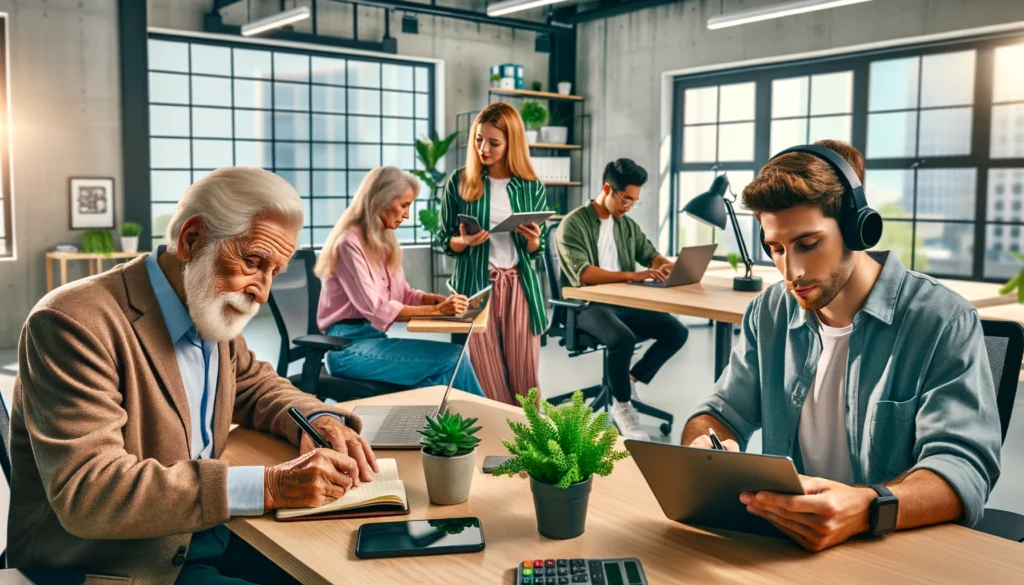
- Integrating multiple generations in one workplace
However, these challenges also present opportunities to build stronger, more adaptive organizations.
The Future of Work: A Hybrid Reality
The future workplace will likely be:
- Hybrid (combining remote and in-office work)
- Skills-focused rather than role-focused
- Continuously evolving with technology
Organizations that embrace change will thrive, while those that resist may struggle to attract and retain talent.
Final Thoughts
Gen Z is not “difficult” or “entitled”—they are simply different. They are pushing organizations to become more human, flexible, and purpose-driven.
Companies that understand and adapt to these expectations will not only attract Gen Z talent but also create a better workplace for everyone.
The question is no longer “How do we fit Gen Z into our existing system?”
It is “How do we redesign the system to match the future of work?”





Responses