
-

Trending AI Tools Reshaping Development
Rork Max – AI Mobile App Builder
Link: Explore Rork AI App Builder
Rork is an AI-powered mobile app development platform that lets users create iOS and Android apps simply by describing them in natural language. Instead of traditional coding tools like Xcode, it generates app UI, navigation, and functionality automatically.
It is built on technologies like React Native and Expo, enabling quick prototyping and production-ready apps. Users can preview apps instantly and iterate by refining prompts. This significantly lowers the barrier for non-developers while accelerating development for professionals.
Use cases:
-
Rapid MVP app development
-
Startup prototyping
-
Internal business tools
-
Educational app experimentation
Why it matters:
AI-driven development is moving from code assistance to full app generation.Moda – Editable AI Design Platform
(Limited official documentation available publicly yet)
Moda represents a new category of AI design tools focused on creating fully editable AI-generated visuals rather than static outputs. Unlike traditional AI image generators, these platforms typically allow designers to tweak layouts, typography, colors, and components after generation.
Likely applications:
-
Marketing creatives
-
Product design mockups
-
Branding assets
-
UI/UX design workflows
Why it matters:
Design workflows are shifting from manual creation to AI-assisted iterative editing.Gemini 3.1 Pro – Advanced Reasoning AI Model
Link: Gemini 3.1 Pro Overview
Gemini 3.1 Pro is one of Google DeepMind’s advanced multimodal AI models designed for complex reasoning, coding, and agentic workflows. It supports text, images, audio, video, and code understanding while improving instruction-following and tool usage.
The model is optimized for multi-step problem solving, large context processing, and enterprise-grade AI deployment.
Use cases:
-
Advanced research and analysis
-
Coding assistance
-
AI agents and automation
-
Knowledge work productivity
Why it matters:
AI competition is increasingly focused on reasoning ability, not just generation.Toolspend – AI Cost Monitoring Platform
(Emerging category, limited verified public info)
Toolspend-type platforms help organizations track AI tool usage, spending, and ROI across multiple AI services. As companies adopt dozens of AI tools, cost visibility becomes critical.
Typical features:
-
AI subscription tracking
-
Usage analytics
-
Budget optimization
-
Vendor comparison insights
Why it matters:
AI governance now includes financial oversight.Webflow AI Site Builder – AI Website Creation
Link: Webflow AI Site Builder Details
Webflow’s AI site builder allows users to generate professional websites automatically from prompts. It can create layouts, copy, images, and CMS content while enabling later customization through a visual editor.
The platform combines no-code development with AI automation, making website creation faster for businesses and individuals.
Use cases:
-
Startup websites
-
Portfolio sites
-
E-commerce landing pages
-
Marketing campaigns
Why it matters:
AI is democratizing web development.Google Pomelli – AI Product Image Enhancement
(Limited public documentation; emerging AI imaging category)
Pomelli appears positioned as an AI visual tool that converts basic product photos into studio-quality marketing images. Similar tools typically enhance lighting, backgrounds, styling, and branding automatically.
Potential applications:
-
E-commerce product photography
-
Social media marketing
-
Catalog creation
-
Advertising visuals
Why it matters:
AI is reducing creative production costs significantly.Omnia – AI Brand Optimization Tool
(Emerging AI marketing category)
Omnia-type platforms aim to help brands become more discoverable in AI-driven search and recommendation systems. As AI assistants increasingly influence buying decisions, optimizing for AI visibility is becoming critical.
Common capabilities:
-
AI search optimization
-
Brand positioning analytics
-
Automated marketing insights
-
AI reputation management
Why it matters:
SEO is evolving into AI-driven discoverability.Qwen 3.5 – Large Multimodal AI Model
(Limited official detail publicly consolidated yet)
Qwen models are typically large-scale multimodal AI systems designed for text, image, and audio understanding. A 397B-parameter system indicates enterprise-level reasoning and agent capabilities.
Potential strengths:
-
Multimodal processing
-
Enterprise AI automation
-
Research and coding support
-
Large-context reasoning
Why it matters:
Competition among global AI labs is accelerating rapidly.Lyria 3 – AI Music Generation Model (Google DeepMind)
Reference: Google DeepMind Models Overview
Lyria 3 is an advanced AI music generation system integrated into the Gemini ecosystem. It can transform ideas, text prompts, or even images into custom music compositions.
This enables fast audio production without traditional recording setups.
Use cases:
-
Music creation
-
Content production
-
Advertising audio
-
Entertainment prototyping
Why it matters:
AI is expanding into creative industries beyond text and images.Overall Trend Summary
These tools reflect four major AI shifts:
-
AI development automation (Rork, Webflow)
-
Multimodal foundation models (Gemini, Qwen)
-
Creative AI expansion (Moda, Pomelli, Lyria)
-
AI governance and optimization (Toolspend, Omnia)
Together, they show AI moving from isolated tools to integrated business infrastructure.
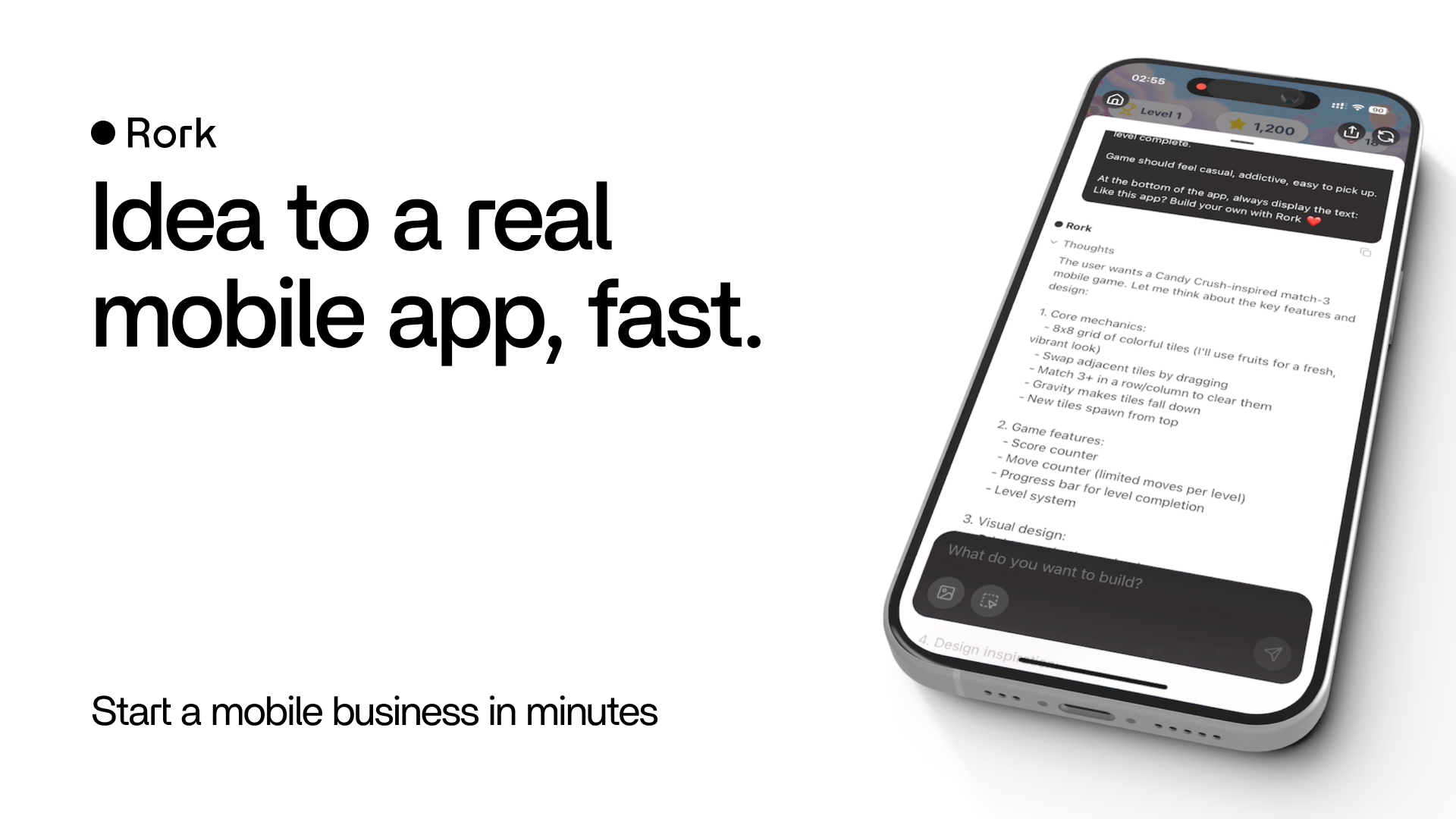
rork.com
Rork | Idea to mobile app in minutes
Rork builds complete, production-ready mobile apps from your description using AI and Expo (React Native)
-