
Leadership in the New Era: From Commanding Authority to Curating Impact

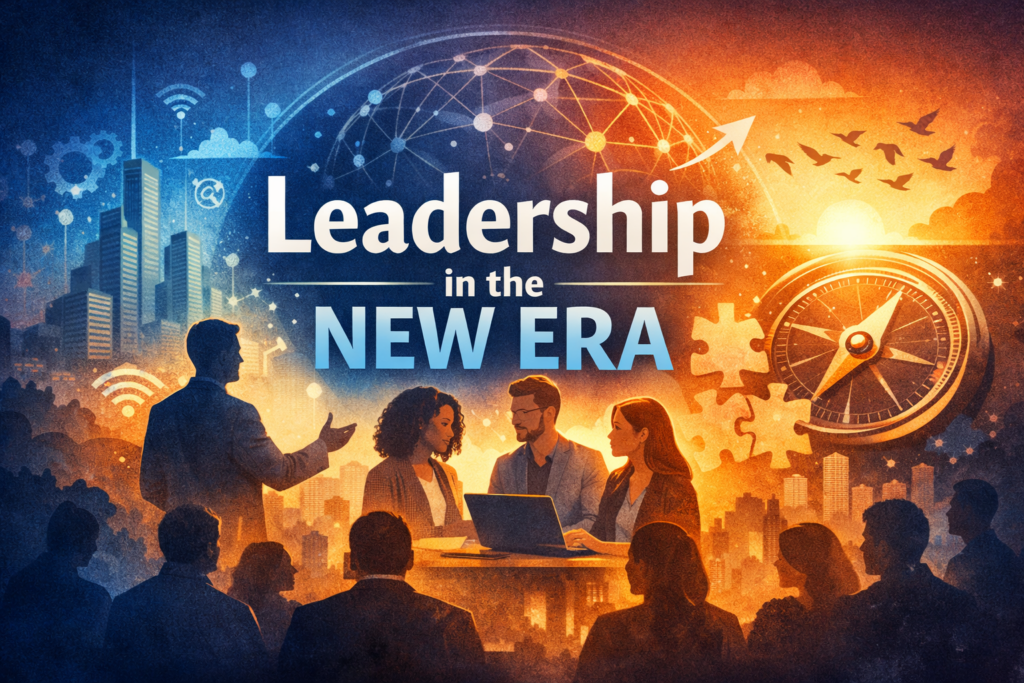
Leadership is no longer defined by how many people report to you. In the new era, leadership is defined by how many people move forward because of you.
We are living in a time where hierarchies are flattening, careers are non-linear, and technology evolves faster than any leadership playbook ever written. The old model of leadership—control, predictability, and top-down decision-making—has quietly expired. What replaces it is not chaos, but a more human, adaptive, and purpose-driven form of leadership.
Welcome to leadership in the new era.
The Shift: Power to Presence
In the past, leaders were valued for authority. Today, they are valued for presence.
Modern leaders do not dominate rooms; they create psychological safety within them. They listen more than they speak, ask better questions, and understand that influence is earned through trust, not titles. Presence means being fully engaged—not just physically available, but emotionally and intellectually attuned to people and context.
In a world of constant notifications and divided attention, a leader who can be fully present has a rare and powerful advantage.
From Knowing Everything to Learning Faster
The new era has made one thing clear: no leader can know everything.
AI, automation, and global connectivity have expanded knowledge beyond individual expertise. Leadership now requires intellectual humility—the willingness to admit uncertainty and learn in public. The strongest leaders are not those with all the answers, but those who build systems where learning happens continuously.
They replace “I know” with “Let’s explore.”
They reward curiosity over certainty.
They evolve faster than the problems they face.
Learning agility has become a core leadership currency.
Leading Humans, Not Job Titles
Work has changed, but people have changed more.
Employees today seek meaning, flexibility, and growth—not just compensation. They expect leaders to recognize them as humans first and professionals second. This does not mean lowering standards; it means raising empathy.
New-era leaders understand motivation is contextual. They tailor leadership to individuals rather than forcing people into rigid frameworks. They manage energy, not just performance. They recognize burnout early and normalize recovery as part of productivity.
Leadership is no longer about extracting effort—it’s about sustaining excellence.
Decision-Making in an Uncertain World
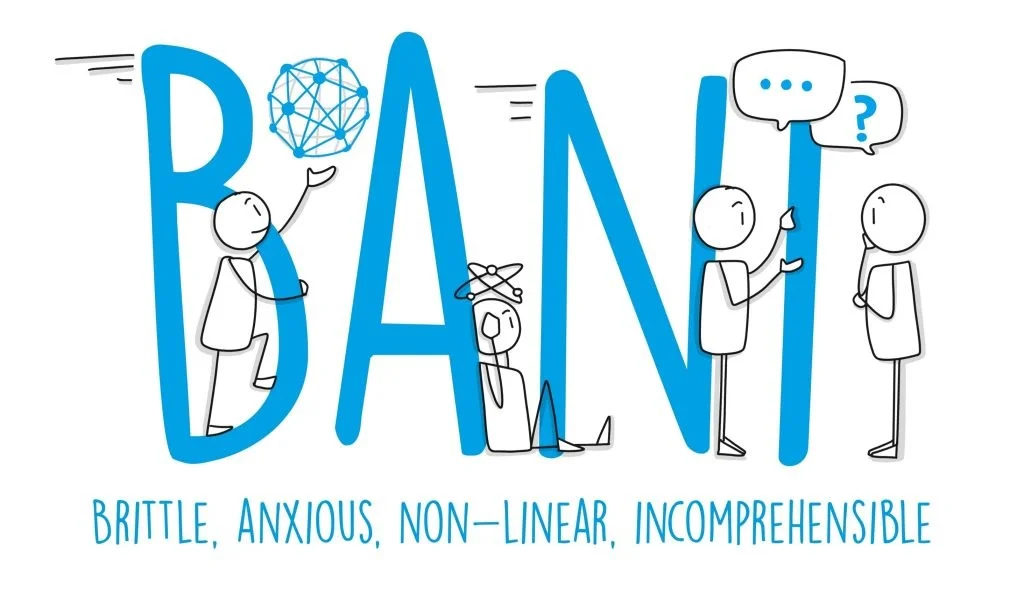
Traditional leadership thrived on predictability. The new era thrives on ambiguity.
Leaders today make decisions with incomplete information, shifting priorities, and fast feedback loops. This requires courage, not confidence. It requires transparency—explaining the why even when outcomes are uncertain.
Instead of pretending certainty, modern leaders share assumptions, invite dissent, and adapt quickly when reality changes. They treat decisions as experiments, not verdicts.
In the new era, speed with learning beats perfection with delay.
Culture as the Real Strategy
Strategies change. Culture compounds.
New-era leaders understand that culture is not a slogan on a wall; it is the sum of daily behaviors they tolerate and reward. How meetings are run. How failure is treated. How credit is shared. How conflict is handled.
Leaders shape culture not through speeches, but through consistency. What they ignore becomes permission. What they model becomes standard.
In distributed and hybrid workplaces, culture is the invisible infrastructure that holds everything together.
The Leader as a Sense-Maker
When change is constant, people don’t just need direction—they need meaning.
One of the most critical roles of a modern leader is sense-making: helping teams understand what matters, what doesn’t, and why it all connects. Leaders translate complexity into clarity without oversimplifying reality.
They connect daily tasks to larger purpose.
They help people see progress in uncertainty.
They create coherence in chaos.
In doing so, they don’t just manage work—they anchor belief.
The Future of Leadership Is Human
Ironically, as technology becomes more powerful, leadership becomes more human.
Empathy, ethics, self-awareness, and integrity are no longer “soft skills.” They are survival skills. The leaders who will thrive in the new era are those who can balance data with intuition, speed with reflection, and ambition with responsibility.
Leadership is no longer about standing above people.
It is about standing with them—especially when the path forward is unclear.
The new era doesn’t need louder leaders.
It needs wiser ones.







Responses