
Tarun Agarwala on Workplace Well-Being: Why Interpersonal Connections Matter More Than Ever

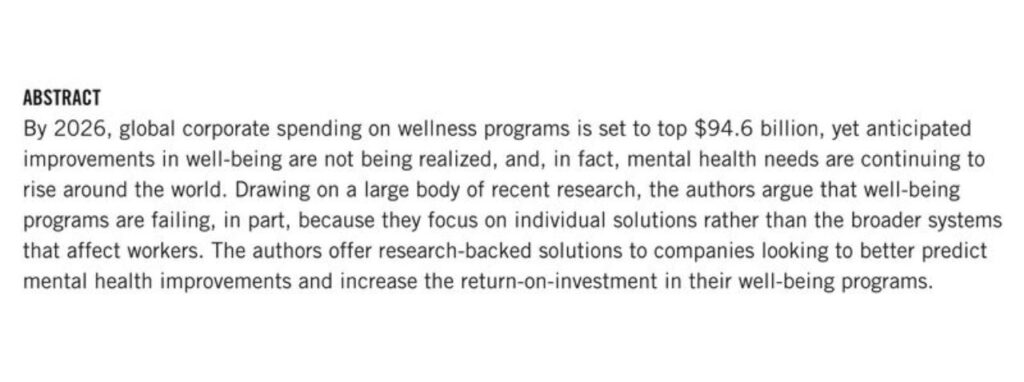
In recent years, organizations have made significant investments in employee well-being focusing on mental health, physical wellness, and individual resilience. However, a critical dimension often remains overlooked: interpersonal well-being.
Industry voices like Taruna Agarwala highlight a powerful truth personal well-being cannot be sustained in isolation. It is deeply influenced by the quality of relationships individuals experience at work.
Beyond Individual Wellness: The Need for Connection
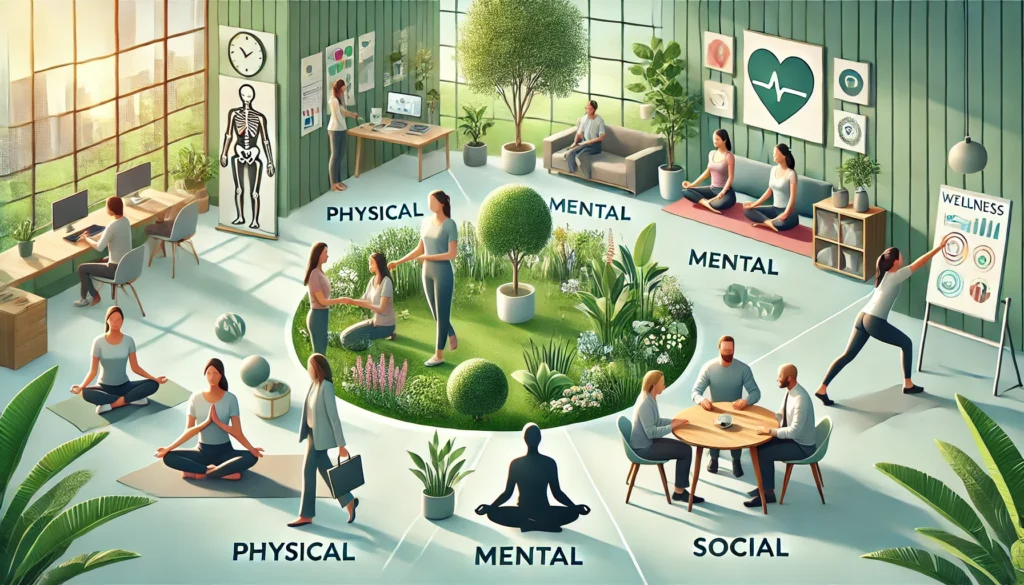
While wellness programs often emphasize individual support systems such as counseling, fitness initiatives, or mindfulness sessions, they may fall short if workplace relationships are strained or disconnected.
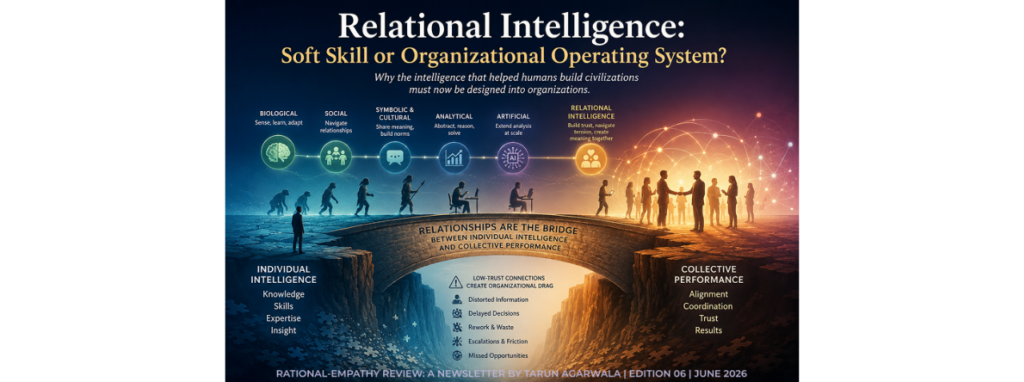
Employees do not operate in silos. Their day-to-day experience is shaped by:
- Interactions with managers
- Collaboration with peers
- Communication within teams
- Organizational culture and trust levels
When these relational dynamics are weak, even the most robust personal well-being initiatives struggle to create lasting impact.
What is Interpersonal Well-Being?
Interpersonal well-being refers to the quality of relationships employees have within the workplace. It includes:
- Trust and psychological safety
- Open and effective communication
- Mutual respect and collaboration
- A sense of belonging within teams
Organizations that actively nurture these elements create environments where individuals feel supported not just as employees, but as people.
Why It Matters More Than Ever
In today’s hybrid and fast-paced work environments, the risk of disconnection is higher than ever. Without intentional efforts to build strong workplace relationships, organizations may face:
- Reduced employee engagement
- Increased conflict and miscommunication
- Higher attrition rates
- Lower team performance
On the other hand, organizations that prioritize interpersonal well-being see stronger collaboration, improved morale, and more resilient teams.
From Awareness to Action: What Organizations Must Do
Recognizing the importance of interpersonal well-being is only the first step. Leading organizations are now moving towards structured approaches to build and measure it.
1. Designing Relationship-Centric Programs
Initiatives should go beyond individual wellness and include team-building, leadership coaching, and communication workshops.
2. Measuring What Matters
Organizations need tools and frameworks to assess relationship health such as feedback systems, engagement surveys, and team dynamics evaluations.
3. Empowering Leaders
Managers play a crucial role in shaping team relationships. Training leaders to foster trust, empathy, and open communication is essential.
4. Embedding It into Culture
Interpersonal well-being should not be a one-time initiative but an ongoing cultural priority.
The Organizational Advantage
Companies that invest in interpersonal well-being create a competitive edge. They build workplaces where:
- Employees feel connected and valued
- Teams collaborate more effectively
- Challenges are addressed constructively
- Innovation thrives through open dialogue
Such environments not only enhance employee satisfaction but also drive long-term business success.
Rethinking Well-Being at Work
The future of workplace well-being lies in a more holistic approach one that balances individual support with strong, healthy relationships.
As emphasized by Taruna Agarwala, personal well-being cannot thrive without interpersonal well-being. Organizations that recognize and act on this insight will be better equipped to build resilient, engaged, and high-performing teams.
Moving Forward
Investing in interpersonal well-being is no longer optional it is essential. As workplaces continue to evolve, the strength of relationships within organizations will define their ability to sustain performance and growth.
The question for organizations is no longer whether to focus on well-being, but how deeply they are willing to invest in the relationships that make it truly meaningful.
🔗 Connect with Taruna Agarwala on LinkedIn:
https://www.linkedin.com/in/tarunagarwala/





Responses