
Amplifying Learning: Unlocking the Science of Student Potential

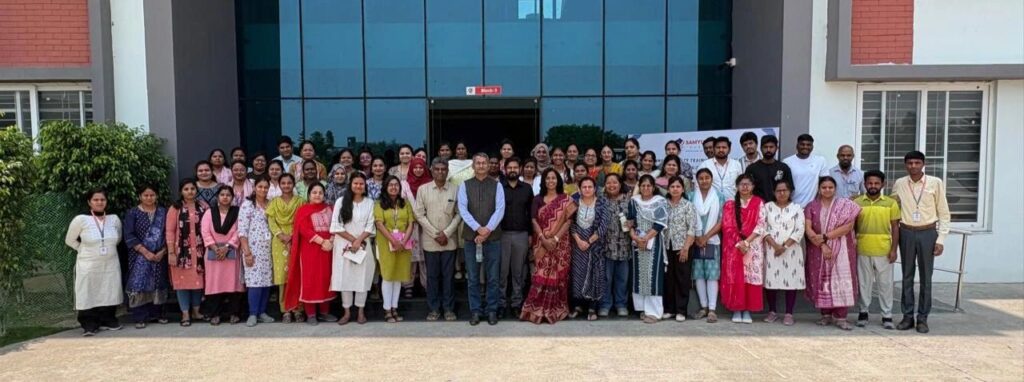
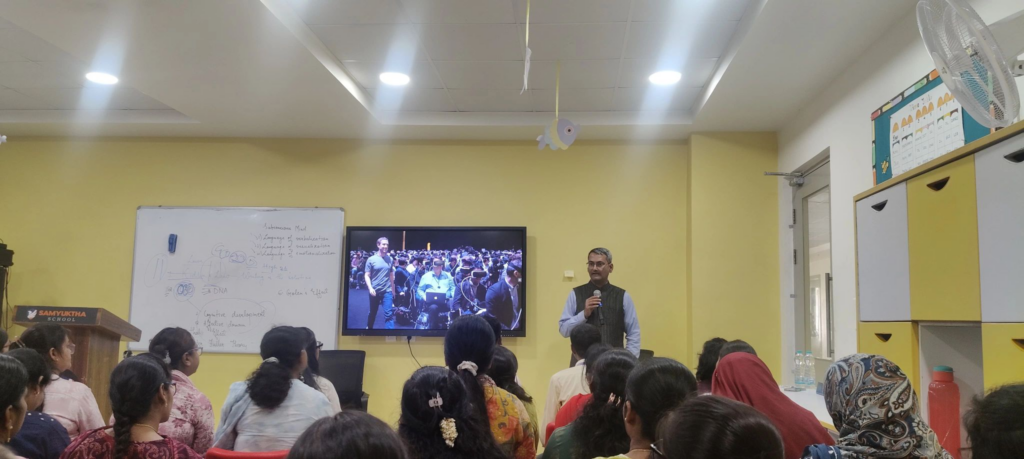
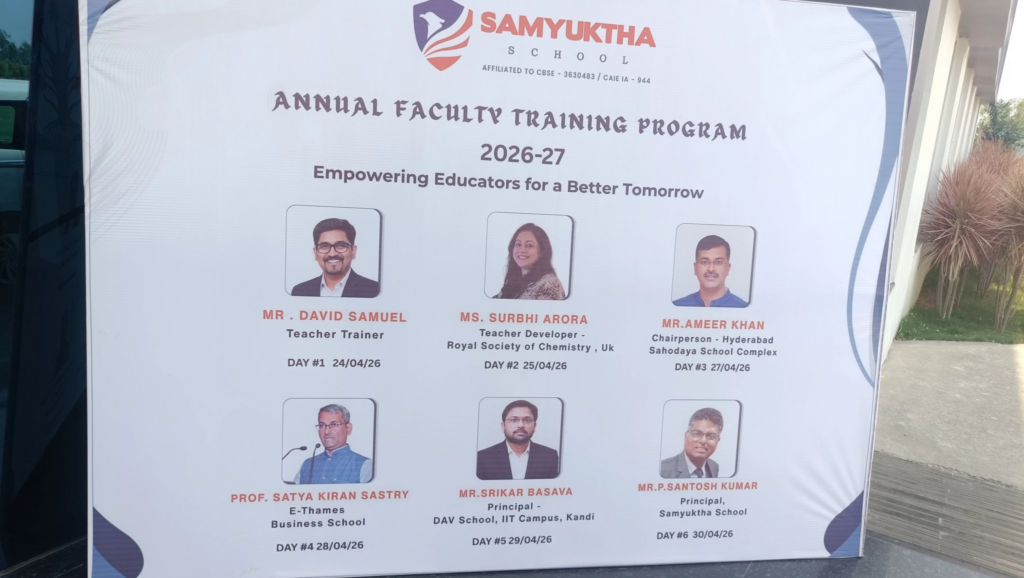
In an era where education is rapidly evolving, institutions are increasingly recognizing that true learning goes beyond textbooks and traditional teaching methods. It requires a deeper understanding of how students think, adapt, and grow. Addressing this need, Prof. Satya Kiran Sastry, Vice President at EThames Business School, Hyderabad, recently conducted a transformative Faculty Development Programme at Samyuktha School.
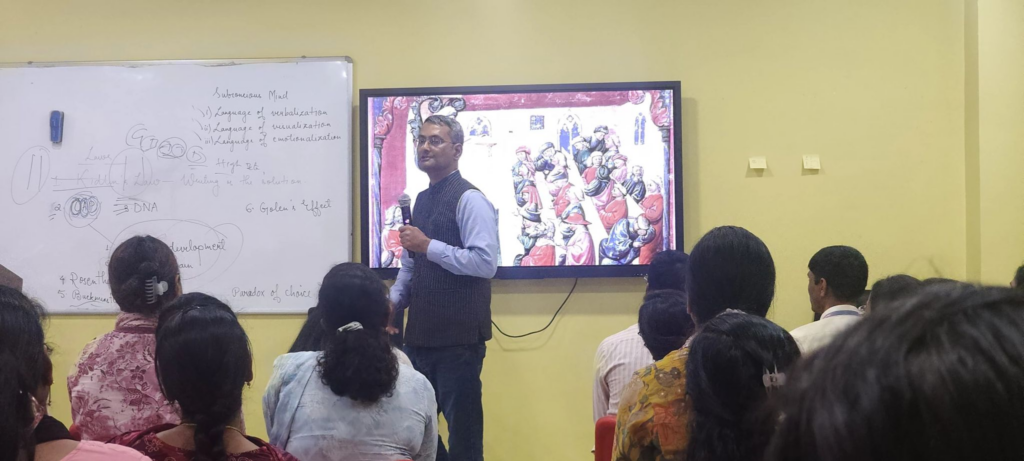
Designed as an intensive two-hour session, the programme moved beyond conventional pedagogy and delved into the psychological and cognitive foundations of academic excellence. It aimed to equip educators not just with knowledge, but with frameworks that enable meaningful and lasting impact in the classroom.
At the core of the session was the concept of the Rosenthal Effect a powerful psychological phenomenon that demonstrates how teacher expectations can significantly influence student performance. By fostering high expectations and a belief in student potential, educators can create a positive cycle where learners rise to meet those expectations, ultimately enhancing both confidence and outcomes.
Building on this foundation, the session introduced a set of modern frameworks that bridge cognitive science with practical teaching strategies.
Kidlin’s Law emphasized the importance of clearly defining problems, reinforcing that clarity is the first step toward effective solutions. Kaizen, the philosophy of continuous improvement, encouraged educators to adopt small, consistent enhancements in their teaching methods to drive long-term progress. The concept of neuroplasticity highlighted the brain’s ability to adapt and rewire itself, underscoring the importance of creating stimulating and supportive learning environments. Complementing this, Neuro-Associative Conditioning (NAC) provided insights into how positive habits can be cultivated while limiting beliefs are systematically replaced.
Together, these frameworks offered a comprehensive toolkit for faculty and academic leaders to rethink their approach to teaching shifting from instruction-based delivery to impact-driven learning.
The session was met with exceptional feedback from the faculty at Samyuktha School, who found the insights both practical and transformative. It not only reinforced the importance of mindset in education but also provided a structured pathway to nurture student potential more effectively.
As institutions strive to prepare students for a dynamic and complex world, initiatives like this Faculty Development Programme highlight a crucial shift from teaching subjects to shaping minds. By integrating psychological insights with educational practices, educators can unlock deeper levels of engagement, performance, and growth.
This session stands as a strong example of how the right blend of science, strategy, and leadership can redefine the future of learning.








Responses