
Leadership in 2026: From Authority to Adaptive Influence


Leadership in 2026 will not be defined by job titles, corner offices, or control. It will be defined by adaptability, clarity of thought, and the ability to lead in systems that are constantly changing. As technology accelerates and expectations from work evolve, leaders are being asked to operate in uncertainty rather than eliminate it.
This is not a future trend. It is the new baseline.
The End of Static Leadership Models
Traditional leadership models were built for stability. Clear hierarchies, long-term plans, and predictable career paths made sense when change was slow. In 2026, those models struggle because the environment itself is fluid.
Leaders now operate in overlapping realities: human teams and AI systems, remote and in-person work, short-term execution and long-term purpose. Leadership is no longer about having the answers. It is about designing the conditions where the right answers can emerge.
Leadership as Sense-Making
One of the most critical leadership skills in 2026 is sense-making. Teams are overwhelmed with information, dashboards, metrics, and AI-generated insights. What they lack is meaning.
Leaders who stand out are those who can interpret complexity, connect scattered signals, and articulate what truly matters now. This ability to frame reality clearly helps teams move forward without waiting for perfect data or complete certainty.
In 2026, clarity is a leadership advantage.
The Rise of Human-Centered Authority
As automation handles more operational and analytical work, leadership authority shifts from expertise to trust. People do not follow leaders because they know more than everyone else. They follow leaders who listen, empathize, and create psychological safety.
Human-centered leadership is no longer a soft skill. It is a strategic requirement. Teams perform better when leaders are emotionally intelligent, culturally aware, and genuinely invested in their growth.
In a world where AI can simulate intelligence, authentic human connection becomes irreplaceable.
Leading Alongside AI, Not Above It
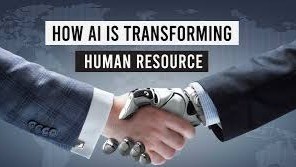
By 2026, AI will be a standard collaborator in decision-making, planning, hiring, and performance management. The leader’s role is not to compete with AI but to guide its use responsibly.
Strong leaders understand the limits of algorithms. They ask critical questions, challenge biased outputs, and ensure that technology serves human values rather than replacing them. Ethical judgment, accountability, and context remain human responsibilities.
Leadership now includes stewardship of intelligence, not just management of people.
From Control to Enablement
Leadership in 2026 is less about directing work and more about removing friction. High-performing leaders design systems, processes, and cultures that allow teams to move fast without burnout.
This includes clear priorities, autonomy with accountability, and continuous feedback instead of annual reviews. Leaders act as enablers who create momentum rather than bottlenecks.
The measure of leadership success is no longer personal productivity but collective progress.
The Inner Work of Leadership
Amid constant change, self-awareness becomes a core leadership capability. Leaders in 2026 must manage their own energy, biases, and reactions before attempting to lead others.
Reflection, learning agility, and emotional regulation are not optional. They are survival skills. Leaders who invest in their inner stability are better equipped to lead through external volatility.
Calm is contagious. So is confusion.
Redefining Success in 2026
Leadership success is no longer defined only by growth metrics or quarterly results. It is measured by resilience, trust, and long-term impact. The most respected leaders build organizations that can adapt without losing their values.
They develop people, not dependencies. They build cultures that outlast strategies.
Final Thought
Leadership in 2026 is not about becoming more powerful. It is about becoming more relevant. The leaders who thrive will be those who evolve continuously, lead with humanity, and stay grounded in purpose while navigating complexity.
The future does not need louder leaders. It needs wiser ones.








Responses