-

5 Trending AI Tools You Should Know (July 2026)
The AI landscape is moving beyond chatbots to specialized tools designed for different workflows. Here are five of the biggest AI releases featured in Digital Storm Weekly #171.
1. Claude Fable 5 (Anthropic)
Best for: Strategic planning, complex reasoning, long-running AI agents, and…

anthropic.com
Anthropic is an AI safety and research company that's working to build reliable, interpretable, and steerable AI systems.
-
Stop Using Claude Like This: The AI Mistake That Could Cost You Thousands
Inspired by Digital Storm Weekly #171 by Dr. Joerg Storm
For the past two years, the AI conversation has largely revolved around one question:
“Which model is the smartest?”
Today, that’s the wrong question.
The better question is:
“Which model should I use for this…

drstorm.substack.com
Stop Using Claude Like This. #171
One routing mistake can turn powerful agents into runaway AI spend
-
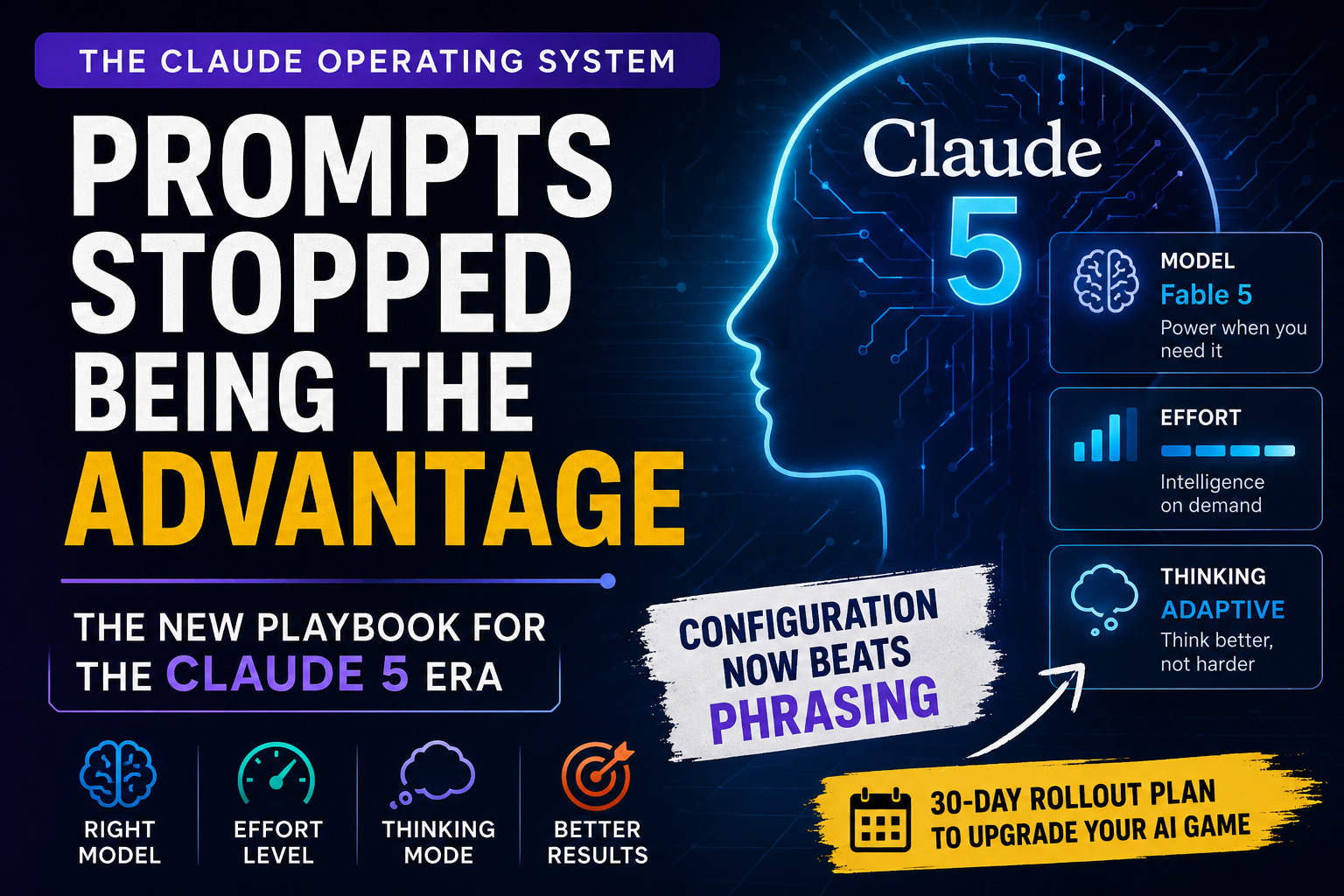 The Claude Operating System: Why Prompt Engineering Is No Longer Your Competitive Advantage
Introduction For the past two years, AI users focused on one skill above all else: writing better prompts. Today, that advantage is disappearing. With the…
-
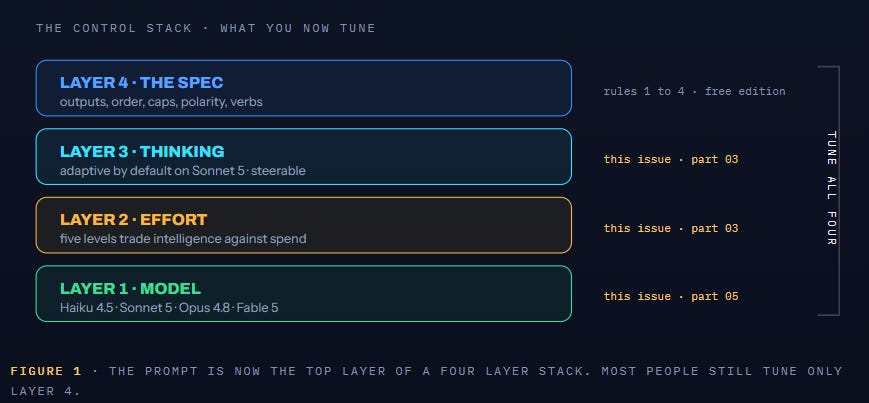
Summary: The Claude Operating System #170b – Why Prompts Stopped Being the Advantage
By Joerg Storm | DIGITAL STORM Weekly #170b (July 9, 2026)
The newsletter argues that prompt engineering is no longer the primary differentiator when using Claude. Instead, success now depends on choosing the right model, configuring effort levels, and creating…
-
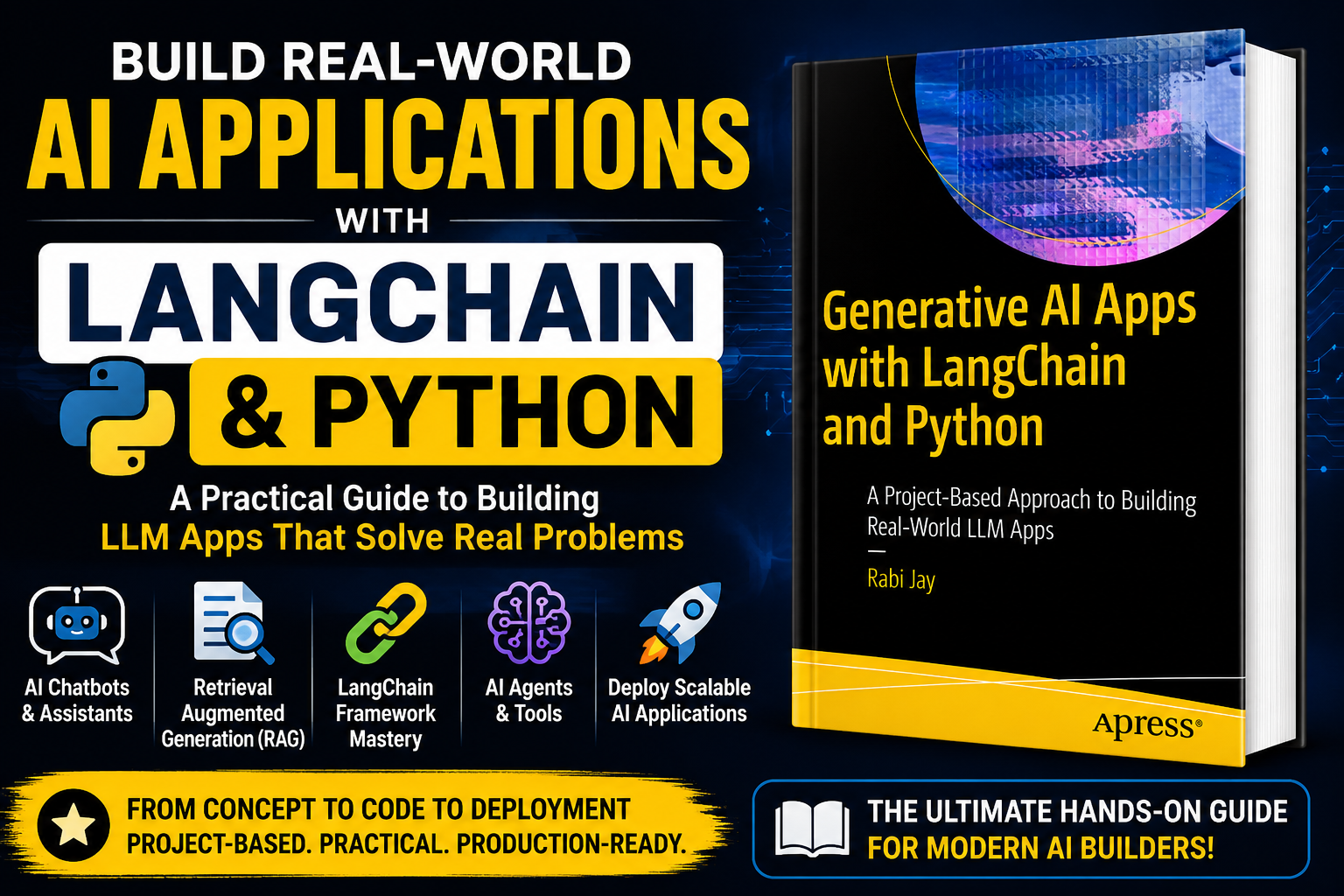 From Learning Prompts to Building AI Products: Why Generative AI Apps with LangChain and Python Should Be Your Next Read
Artificial Intelligence has evolved beyond simple chatbots and text generation. Today, businesses are building AI-powered assistants, intelligent search engines, autonomous agents, and Retrieval-Augmented Generation (RAG)…
-
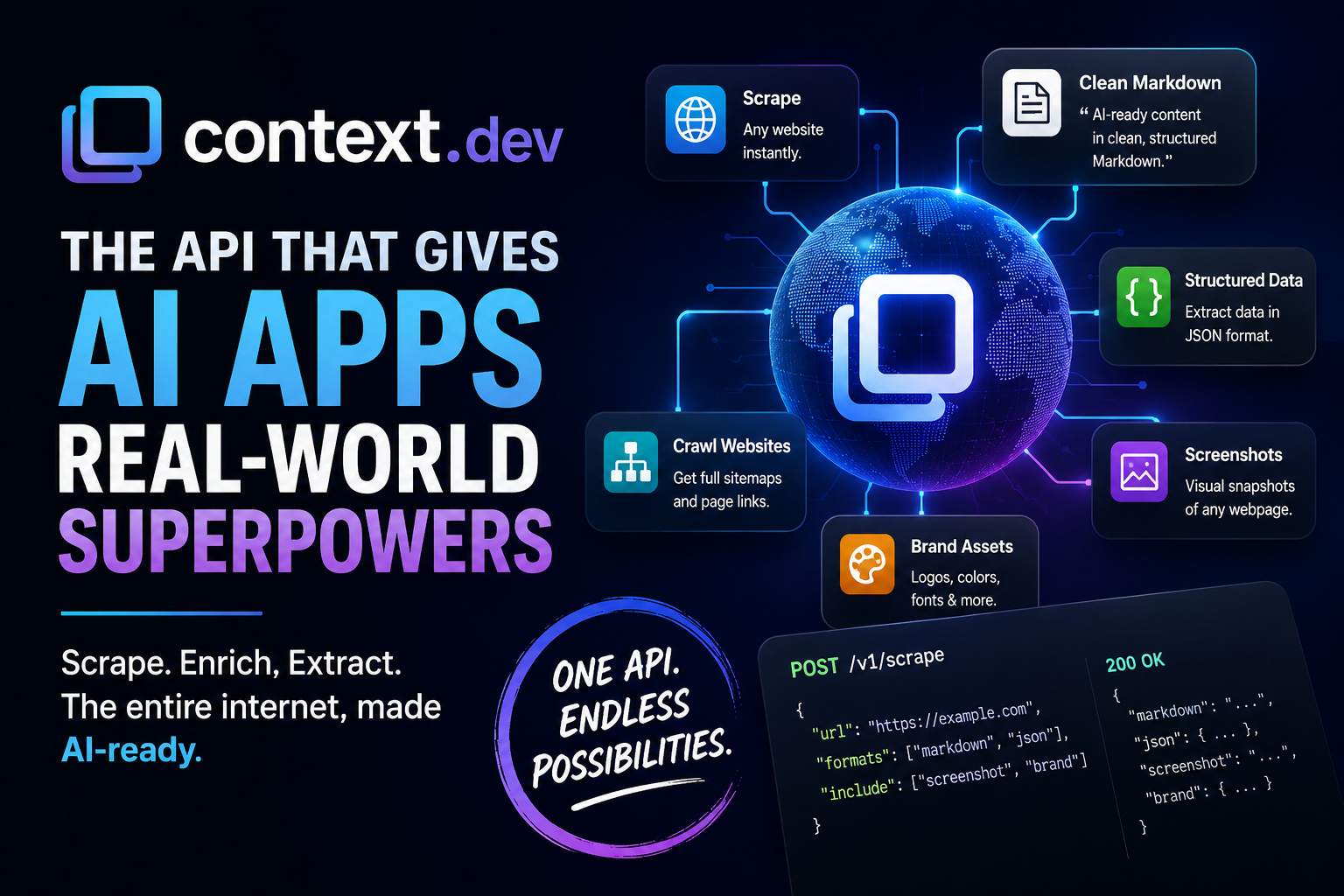 Context.dev: The AI Infrastructure Powering Smarter Applications with Real-Time Web Data
Artificial Intelligence is only as good as the information it has access to. While Large Language Models (LLMs) excel at reasoning and generating content, they…
-
Trending Tools
1. Context.dev
Tagline: One API to scrape, enrich, and extract the internet.
Context.dev is a developer platform that gives AI applications and agents access to live web information through a single API. Instead of building custom web scrapers or maintaining multiple data pipelines, developers can use Context.dev to retrieve clean Markdown,…
-
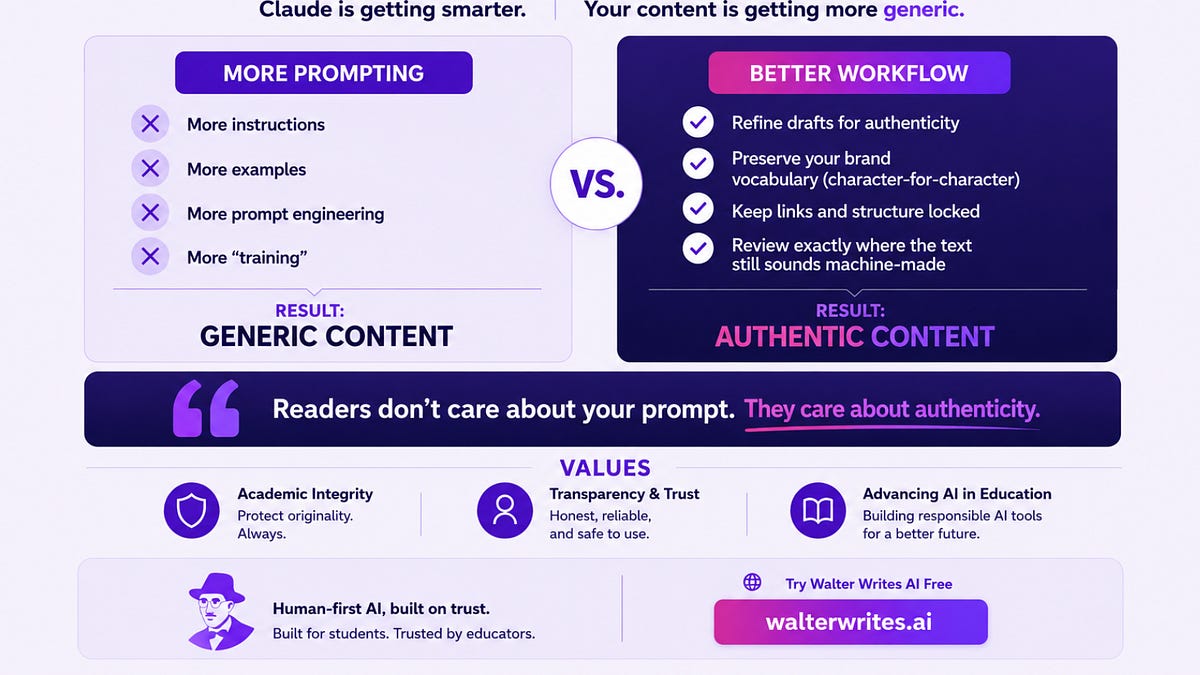
Stop Writing Prompts Like It’s 2025
This week marked one of the biggest shifts in how we interact with AI—and surprisingly, it wasn’t just because of a new model release.
With Anthropic rolling out Claude Sonnet 5 as its default model and bringing back Claude Fable 5, the way we communicate with AI has fundamentally changed. The old habit of…
-
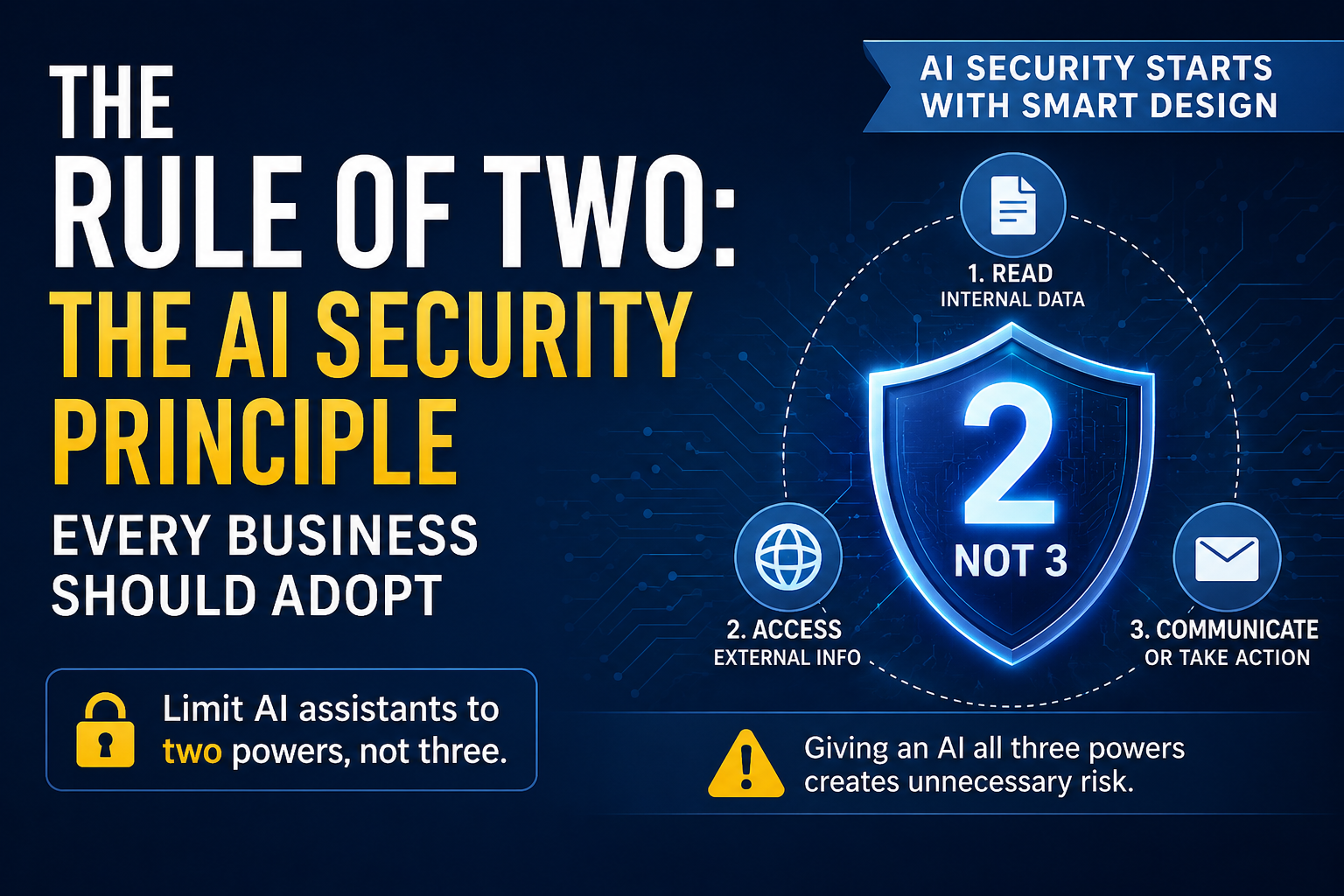 The Rule of Two: The AI Security Principle Every Business Should Adopt
Artificial Intelligence is becoming an integral part of the modern workplace. Employees use AI assistants to summarize reports, analyze data, draft emails, create presentations, and…
-
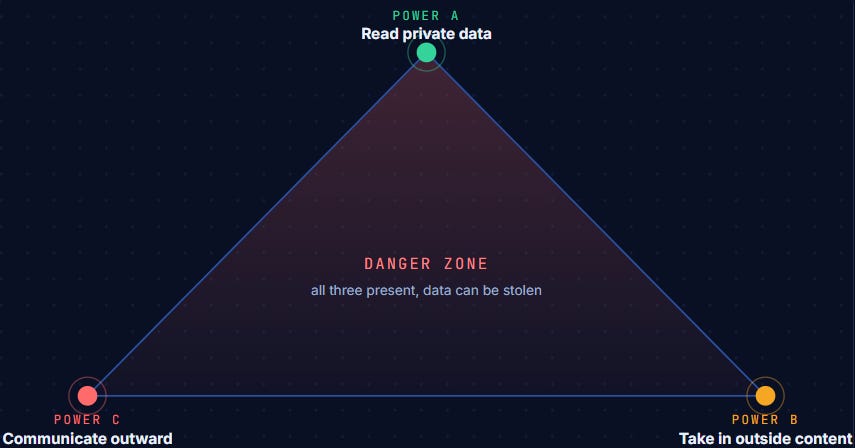
Summary: Claude Has Three Powers #169b – The dangerous setup every leader must understand before connecting work data
By Joerg Storm | DIGITAL STORM Weekly #169b (July 2, 2026)
Executive Summary
Joerg Storm argues that AI security is no longer primarily about whether an AI model is “safe.” Instead, it’s about how the AI assistant is configured and…
drstorm.substack.com
The dangerous setup every leader must understand before connecting work data.
- Load More